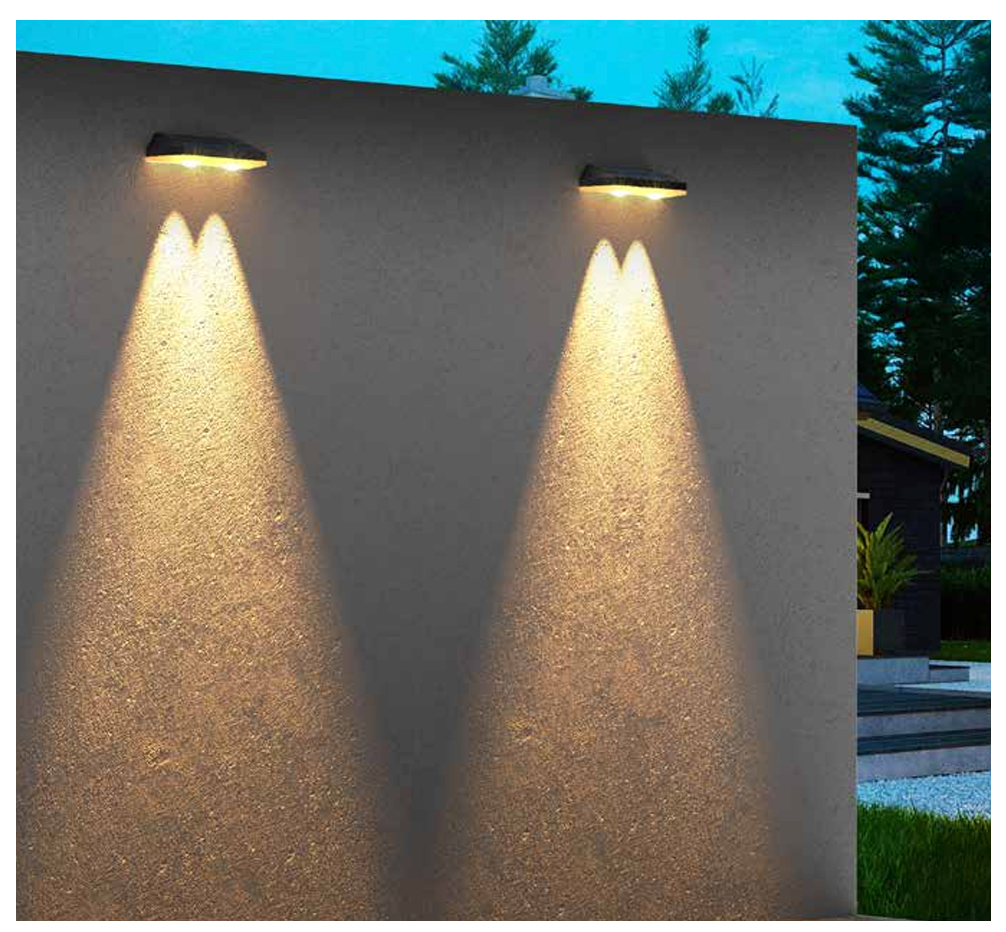
Mounting Height & Beam Angle: Getting Even Coverage
The same fixture can flood a floor with even light or leave it patchy, depending on how high it hangs and how wide its beam spreads. Mounting height and beam angle work together. This guide explains how to match them.
Higher mounting needs more output and a narrower beam to carry light down; lower mounting needs a wider beam to spread it. Matching beam angle to height is what produces even, glare-free coverage.
How Height Changes the Picture
As a fixture rises, its light spreads over a larger area but lands dimmer. To keep floor levels up, taller mounts use higher-output fixtures. This is why high bay and low bay fixtures exist as separate classes.
Beam Angle Basics
- Wide beam: good for lower mounts and even floor wash.
- Narrow beam: carries light from tall mounts to the floor.
Round UFO and high bay optics are chosen to match height; see the UFO vs linear guide.
Putting It Together
Set your target level from the foot-candles guide, then let the fixture calculator match output, beam, and spacing to your height.
Cover Every Square Foot
We will match fixture output and beam to your mounting height for even light.
Try the Fixture Calculator Call (512) 843-1383Last updated: June 2026. Consult local codes and a licensed professional for your specific project.