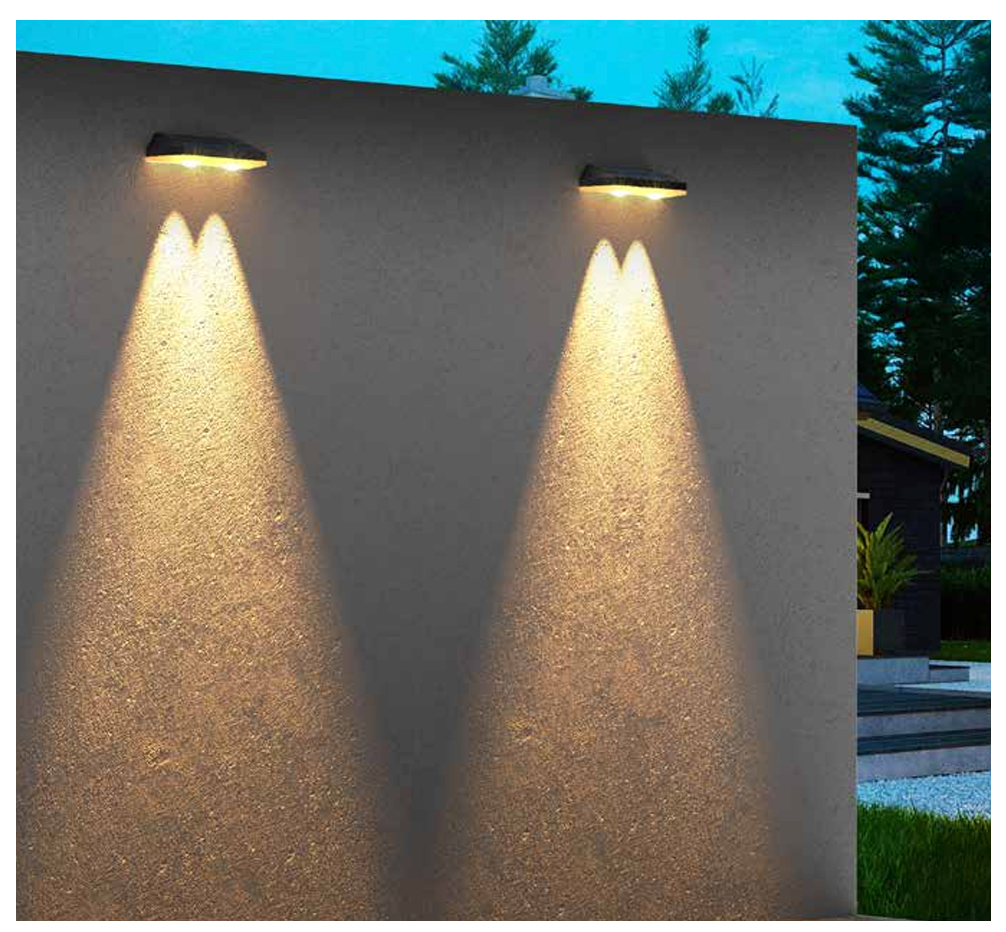
Dark Sky LED Lighting: The Complete Buyer's Guide for 2026
What Is Dark Sky LED Lighting?
Dark sky LED lighting refers to outdoor fixtures specifically designed to minimize light pollution — the unwanted, misdirected, and excessive artificial light that obscures the night sky, disrupts ecosystems, wastes energy, and increasingly violates local ordinances across the country. These fixtures deliver the illumination that properties, businesses, municipalities, and communities need for safety and functionality while controlling where that light goes — down to the ground where it's useful, not up into the sky or sideways onto neighboring properties where it isn't.
This isn't a niche concern anymore. Light pollution has become a mainstream environmental, regulatory, and community issue. Over 80% of the world's population lives under light-polluted skies. Municipal outdoor lighting ordinances are spreading rapidly, with hundreds of cities, counties, and states adopting regulations that restrict upward light, limit light trespass, cap brightness levels, and require specific fixture types for new construction and major renovations. Homeowners associations, commercial developments, hospitality properties, and national parks are implementing their own lighting standards. And the International Dark-Sky Association (IDA) — now DarkSky International — has built a global certification program that is increasingly referenced in zoning codes, development permits, and property standards.
For property owners, facility managers, developers, architects, and municipalities, dark sky compliance is no longer optional in many jurisdictions — and even where it's not mandated, it's increasingly expected by communities, tenants, and customers who understand that good outdoor lighting doesn't mean more light. It means the right light, in the right place, with nothing wasted.
PrimeLights offers a complete range of dark sky compliant LED outdoor fixtures — full-cutoff area lights, shielded wall packs, directional flood lights, bollards, and pathway fixtures — that meet the most stringent dark sky standards while delivering the safety, security, and aesthetic performance your property demands.
Understanding Light Pollution: The Problem Dark Sky Lighting Solves
Light pollution isn't just an astronomer's complaint. It's a measurable environmental, health, and economic issue with consequences that are increasingly well-documented and broadly recognized.
The Four Types of Light Pollution
Sky Glow: The brightening of the night sky over populated areas caused by artificial light scattered in the atmosphere. Sky glow is what prevents urban and suburban residents from seeing stars, obscures astronomical observation, and creates the orange or white dome visible above cities from miles away. The primary contributors are unshielded fixtures that emit light above the horizontal plane — particularly older HPS and metal halide fixtures with drop lenses, acorn-style globe fixtures, and unshielded flood lights aimed upward.
Light Trespass: Unwanted artificial light spilling from one property onto another — the parking lot that illuminates your bedroom, the commercial sign that lights up a residential street, the neighbor's security light that turns your backyard into a stage. Light trespass is the most common source of community lighting complaints and the primary driver of residential outdoor lighting ordinances.
Glare: Excessive brightness that causes visual discomfort, reduces visibility, and creates safety hazards. Ironically, the over-bright, unshielded fixtures that cause glare often make an area less safe — the intense brightness destroys the eye's dark adaptation, making it harder to see into the darker areas beyond the glare zone. A person walking from a glare-lit area into an adjacent shadow is effectively blind for several seconds.
Clutter: The excessive grouping of light sources, often found in commercial strips, signage concentrations, and over-lit developments. Light clutter creates visual confusion that reduces the effectiveness of individual light sources and contributes to the overall perception of light pollution in an area.
Why Light Pollution Matters
Environmental Impact: Artificial light at night disrupts ecosystems in ways that are only now being fully understood. Migratory birds are disoriented by urban sky glow, with hundreds of millions killed annually in collisions with illuminated buildings and structures. Sea turtle hatchlings are drawn away from the ocean by coastal lighting. Insect populations — essential pollinators and the base of many food chains — are decimated by attraction to artificial light. Plant flowering and growth cycles are disrupted. Predator-prey relationships across entire ecosystems are altered by the elimination of natural darkness.
Human Health: The human circadian rhythm — the internal clock governing sleep, hormone production, and cellular repair — is regulated by the cycle of light and darkness. Chronic exposure to artificial light at night suppresses melatonin production, disrupts sleep patterns, and has been linked in peer-reviewed research to increased rates of sleep disorders, obesity, depression, and certain cancers. While interior lighting (particularly blue-rich screen light) is the primary personal exposure, exterior light trespass into bedrooms is a significant contributor for millions of people living near commercial, industrial, and over-lit residential properties.
Energy Waste: Every lumen of light directed upward into the sky or sideways onto a neighbor's property is a lumen that was generated, paid for, and wasted. In the United States, an estimated 30% of all outdoor lighting is wasted — sent where it serves no purpose. At national scale, this waste represents billions of kilowatt-hours and billions of dollars annually.
Community Quality of Life: Light pollution degrades the experience of the night environment for everyone. The ability to see the Milky Way, watch a meteor shower, or simply enjoy a dark sky from your backyard is disappearing for the vast majority of the population. Communities that protect their dark skies — through lighting ordinances, dark sky preserves, and responsible development standards — consistently report higher quality of life, stronger tourism appeal, and greater civic pride.
The Regulatory Landscape: Where Dark Sky Compliance Is Required
The regulatory environment for outdoor lighting has shifted dramatically in the past decade:
Municipal Ordinances: Hundreds of cities and counties across the United States have adopted outdoor lighting ordinances that regulate some or all of the following — maximum permitted illumination levels at property boundaries (light trespass limits), restrictions on upward-directed light (uplight limits), required fixture types (full cutoff or shielded), maximum color temperature (typically 3000K or lower for residential areas), curfew hours after which lighting levels must be reduced, and shielding requirements for specific fixture types.
State Regulations: Several states have adopted statewide lighting regulations. Arizona, New Mexico, Hawaii, Maine, and others have implemented laws ranging from state-facility lighting standards to development-level requirements. More states are actively considering similar legislation.
Dark Sky Communities and Preserves: DarkSky International designates communities, parks, and reserves that meet stringent lighting standards. Properties within or adjacent to these designated areas are subject to specific fixture requirements — and even properties outside designated areas are increasingly influenced by the standards as communities adopt them voluntarily.
Building and Energy Codes: ASHRAE 90.1, the International Energy Conservation Code (IECC), and California Title 24 all include provisions for exterior lighting that address light pollution — including power density limits, control requirements, and in some cases, explicit restrictions on upward light emission.
Development and Zoning Requirements: Many municipalities now require dark sky compliant lighting as a condition of development permits, site plan approval, and zoning variance. Developers who don't plan for compliance face costly redesigns, delayed approvals, and community opposition.
HOA and Community Standards: Homeowners associations, planned developments, resort communities, and similar organizations increasingly include dark sky lighting provisions in their covenants and design standards.
What Makes a Fixture "Dark Sky Compliant"?
Dark sky compliance isn't a single specification — it's a combination of fixture design, optical control, output level, and color temperature that together minimize the fixture's contribution to light pollution while maintaining effective illumination.
Full Cutoff and Shielded Design
The most fundamental requirement for dark sky compliance is that the fixture directs all of its light downward — below the horizontal plane — with no light emitted above the fixture's mounting level.
Full Cutoff: A fixture classification indicating that zero light is emitted at or above the horizontal (90° from nadir) and no more than 10% of light is emitted above 80° from nadir. This is the minimum standard for most dark sky ordinances and the DarkSky International approval program.
Fully Shielded: Functionally equivalent to full cutoff — all light is directed downward by physical shielding (the fixture housing itself blocks upward and high-angle light emission). The fixture is designed so that the light source is not visible from any angle at or above the horizontal.
What doesn't qualify: Drop-lens fixtures (where the lens protrudes below the fixture housing), globe or acorn fixtures (which emit light in all directions), unshielded flood lights aimed above horizontal, decorative fixtures without cutoff shielding, and any fixture where the lamp or LED source is directly visible from above the horizontal plane.
BUG Rating System
The IES (Illuminating Engineering Society) BUG rating system provides a more granular classification of fixture light distribution than the simple cutoff/non-cutoff distinction. BUG stands for:
B — Backlight: Light emitted behind the fixture (away from the intended target area). Rated B0 (no backlight) to B5 (maximum backlight).
U — Uplight: Light emitted above the horizontal plane. Rated U0 (no uplight) to U5 (maximum uplight). Dark sky compliance requires U0.
G — Glare: High-angle light emitted forward from the fixture. Rated G0 (no high-angle glare) to G5 (maximum glare).
For dark sky compliance, specify U0 (zero uplight) as a minimum. For properties adjacent to residential areas or dark sky preserves, also specify low B ratings (B0-B2) to minimize light trespass, and low G ratings (G0-G2) to minimize glare impact on neighbors and roadway users.
Many municipalities now reference BUG ratings directly in their outdoor lighting ordinances — making BUG-rated fixtures a practical necessity for code compliance.
DarkSky International Approval
DarkSky International (formerly the International Dark-Sky Association / IDA) maintains a fixture approval program that independently verifies dark sky compliance. Approved fixtures carry the DarkSky seal and are listed in the organization's online database of approved products.
DarkSky approval requirements:
- Fully shielded (no direct upward light emission)
- Color temperature of 3000K or lower (2700K preferred)
- Minimum demonstrated efficacy (lumens per watt)
- No adjustable mounting that would allow the fixture to be aimed above horizontal after installation
DarkSky-approved fixtures are accepted by most dark sky ordinances without additional documentation — the approval serves as third-party verification of compliance. For projects in jurisdictions with dark sky requirements, specifying DarkSky-approved fixtures simplifies the permitting process.
Color Temperature: The Often-Overlooked Requirement
Color temperature is a critical — and frequently overlooked — component of dark sky compliance. Cooler light (higher Kelvin temperatures) contains more blue wavelengths, which scatter more readily in the atmosphere and contribute disproportionately to sky glow. They also cause greater disruption to circadian rhythms, wildlife behavior, and insect populations.
Dark sky color temperature standards:
Color TemperatureDark Sky SuitabilityCommon Applications2200K-2700KBest — minimum atmospheric scattering, minimum ecological impactDarkSky-approved fixtures, residential areas, parks, hospitality, ecologically sensitive areas3000KAcceptable — meets most dark sky ordinance requirementsCommercial and municipal applications, the maximum typically allowed by dark sky codes4000KNot compliant — excessive blue contentNot recommended for dark sky applications; prohibited by most dark sky ordinances5000K+Not compliant — significant blue contentProhibited in virtually all dark sky jurisdictions; maximum atmospheric scattering
Critical point: A fully shielded, full-cutoff fixture at 5000K is NOT dark sky compliant in most jurisdictions. The fixture design addresses glare and uplight, but the color temperature still contributes to sky glow through atmospheric scattering of blue wavelengths and disrupts wildlife and human circadian systems. True dark sky compliance requires both proper fixture design AND appropriate color temperature (3000K or lower, 2700K preferred).
Appropriate Light Levels: More Isn't Better
Dark sky philosophy rejects the assumption that brighter is safer. Over-lighting wastes energy, creates glare that actually reduces visibility (by destroying dark adaptation), contributes to sky glow, and causes light trespass. Dark sky compliant design uses the minimum illumination necessary for the intended activity — meeting IES-recommended levels without exceeding them.
This doesn't mean dark, unsafe properties. It means right-sized lighting — enough for safe navigation, security, and visual tasks, without the excessive output that legacy design practices and fixture limitations forced upon outdoor spaces.
Types of Dark Sky Compliant LED Fixtures
Full-Cutoff LED Area Lights
Best For: Parking lots, commercial properties, municipal lots, campus walkways, roadways, multi-family residential
The primary fixture for large outdoor areas. Full-cutoff LED area lights use internal reflectors and flat glass lenses to direct all light below the horizontal plane, with precise distribution patterns (IES Types II, III, IV, V) that place light where it's needed without spilling it beyond the target area.
Available in output ranges from 5,000 to 60,000+ lumens at 2700K-3000K, these fixtures provide IES-compliant illumination for parking, roadway, and site lighting while meeting the most stringent dark sky requirements. BUG ratings of U0 G1-G2 B1-B3 are typical, with specific ratings varying by distribution type and application.
Shielded LED Wall Packs
Best For: Building perimeters, entrances, loading areas, walkways, stairwell exteriors, building-mounted security lighting
Full-cutoff wall packs direct light downward and outward from the building face without upward emission. They replace the drop-lens and unshielded wall packs that are among the most common sources of light trespass and uplight on commercial and residential properties.
For dark sky compliance, specify wall packs with flat lenses, no exposed light sources visible from above the horizontal, and 3000K or lower color temperature. Many full-cutoff wall packs also include backlight shields to reduce illumination on the building wall itself, further controlling wasted light.
Shielded LED Flood Lights
Best For: Targeted illumination of signage, facades, landscape features, work areas, sports courts, security zones
Flood lights are inherently directional — but they become a dark sky problem when aimed above horizontal, over-powered for the target, or poorly shielded. Dark sky compliant flood lights feature adjustable aiming yokes that lock in position to prevent upward-aimed installation, internal glare shields, and appropriate output levels for the intended target distance.
Critical installation practice: Even a dark sky compliant flood light creates light pollution if aimed above horizontal. Fixtures must be aimed downward at the target, with the beam confined to the intended illumination area. Aim flood lights downward at a minimum 45° angle from horizontal — steeper is better.
LED Bollard Lights
Best For: Pedestrian pathways, garden walks, property entrances, wayfinding, residential driveways, park paths
Bollard fixtures provide low-level pathway illumination at pedestrian scale. Dark sky compliant bollards use shielded, downward-directed optics that illuminate the walking surface without emitting light above the horizontal plane. Full-cutoff bollards replace the older globe-top and mushroom-top designs that scatter light in all directions.
At 2700K-3000K, pathway bollards provide warm, inviting illumination that guides pedestrians safely while maintaining the natural darkness of the surrounding environment.
LED Step and Deck Lights
Best For: Stairways, deck edges, retaining walls, grade changes, threshold lighting
Recessed or surface-mounted step lights provide targeted illumination of walking surfaces at changes in elevation — stairs, deck edges, ramps, and retaining walls. The recessed design inherently directs light downward onto the step surface with minimal spill, making these fixtures naturally dark sky friendly.
LED Landscape and Accent Lights
Best For: Path lighting, garden illumination, architectural accent, tree uplighting (when shielded), property entrance features
Dark sky compliant landscape lighting uses shielded fixtures that illuminate specific features — pathways, garden beds, architectural elements — without scattering light upward. Landscape fixtures at 2700K produce warm, natural-looking illumination that enhances the nighttime environment without overwhelming it.
A note on uplighting: Uplighting trees, building facades, and architectural features is inherently upward-directed light. Dark sky standards generally discourage or prohibit uplighting. Where uplighting is used, fixtures should be closely mounted to the target surface, carefully aimed to minimize overshoot beyond the target, and turned off during overnight hours via timer or curfew control. Some dark sky ordinances permit limited uplighting with specific shielding requirements; others prohibit it entirely.
LED Canopy Lights
Best For: Gas station canopies, covered walkways, drive-through lanes, carports, covered parking
Canopy-mounted fixtures are inherently downward-directed, making compliance straightforward. Specify recessed-lens or flat-lens canopy fixtures that prevent upward light emission through the canopy structure. Avoid drop-lens canopy fixtures where the lens protrudes below the fixture housing.
LED Post-Top and Decorative Fixtures
Best For: Streetscapes, downtown districts, residential communities, parks, campuses, hospitality properties
Traditional decorative post-top fixtures — the acorn, globe, and lantern styles — are among the worst offenders for light pollution because they emit light in all directions, including straight up. Dark sky compliant decorative fixtures use internal reflectors, shielded tops, and refractor lenses to achieve the desired aesthetic while directing all effective light below the horizontal.
DarkSky International approves specific decorative fixture models that maintain the traditional streetscape appearance while meeting full-cutoff and color temperature requirements. These fixtures prove that dark sky compliance and visual character are not mutually exclusive.
How to Design a Dark Sky Compliant Lighting System
Step 1: Know Your Ordinance
Before selecting any fixture, identify the specific outdoor lighting requirements for your jurisdiction:
- Does your municipality have an outdoor lighting ordinance?
- What are the maximum permitted light levels at property boundaries?
- Are there color temperature restrictions (typically 3000K maximum)?
- Are specific fixture types required (full cutoff, fully shielded)?
- Are BUG ratings referenced in the code?
- Is DarkSky approval accepted as proof of compliance?
- Are there curfew provisions requiring reduced lighting after certain hours?
- Are there exceptions for security, safety, or specific property types?
Your local planning or building department can provide the applicable ordinance. Many municipalities publish their lighting requirements on their websites as part of their zoning or development standards.
Step 2: Determine Appropriate Light Levels
Dark sky design starts with the minimum illumination needed — not the maximum available. Use IES recommended levels as a starting point, not a floor to exceed:
ApplicationIES Recommended Average (fc)Dark Sky Design ApproachParking lot — high activity3.6 fc min, 9.0 fc avgMeet but don't exceed the standard; uniform distribution matters more than peak outputParking lot — low activity0.7 fc min, 2.2 fc avgLower output fixtures on wider spacingWalkways and pathways0.5-2.0 fcLow-output bollards or shielded path lightsBuilding entrances5.0 fcTargeted downlight at the entry, not broad floodlightingRoadwaysVaries by classificationPer ANSI/IES RP-8Residential exterior0.5-2.0 fcMinimum for safe navigation; soft, warm (2700K)Commercial signagePer local codeExternally lit signs with shielded, downward-aimed fixturesSecurity perimeter1.0-5.0 fcUniform coverage more effective than isolated bright spots
The dark sky principle: Use the right amount of light, not the most light. An over-lit parking lot with 15 fc average when 5 fc would meet the standard is wasting 67% of its lighting energy and generating 3x the light pollution of a properly designed system.
Step 3: Select Compliant Fixtures
For each application, specify fixtures that meet:
- Full cutoff / fully shielded design (no upward light emission)
- U0 BUG rating (zero uplight)
- 3000K or lower color temperature (2700K preferred for residential and ecologically sensitive areas)
- Appropriate output for the target illumination level — not oversized
- DarkSky approval where available and applicable
Step 4: Design the Layout
Photometric design for dark sky projects follows the same principles as standard outdoor lighting design — but with additional constraints:
- Light trespass at property boundaries must fall below the ordinance limit (typically 0.1-0.5 fc at the property line for residential-adjacent properties)
- Uplight must be zero from every fixture in the system
- Uniformity should be optimized to avoid both over-lit and under-lit areas — dark sky design targets consistent, even illumination, not maximum brightness
- Fixture spacing should be based on the photometric performance of the specific fixture at the specific mounting height and color temperature, verified through computer modeling
Step 5: Implement Controls
Dark sky design extends beyond the fixture itself to how and when the lighting operates:
Photocell controls: Automatic dusk-to-dawn operation ensures lights aren't running during daylight hours.
Curfew controls: Many dark sky ordinances require reduced lighting levels after a specified time (typically 10 PM-11 PM). Curfew-capable fixtures dim to a reduced output level after the designated hour, further minimizing nighttime light pollution during the hours when most people are sleeping and the sky impact is greatest.
Motion sensing: For areas that don't require continuous illumination (residential driveways, side entrances, storage areas), motion-activated fixtures provide light when needed and darkness when not — the most dark-sky-friendly approach possible.
Adaptive controls: Advanced systems combine photocell, curfew, and occupancy sensing for dynamic lighting that adjusts to conditions — full output during active hours, reduced output during quiet hours, motion-boosted output on demand.
Dark Sky Lighting by Application
Commercial and Retail Properties
Commercial parking lots and building perimeters are the largest single source of light pollution in most communities. Full-cutoff LED area lights at 3000K replace the unshielded HPS and metal halide fixtures that scatter light across the sky and onto neighboring properties. The energy savings of LED (60-80% vs. HPS) make the upgrade financially compelling independent of the dark sky benefits — the compliance comes as a bonus.
For retail properties where exterior lighting is part of the customer experience, 3000K produces a warm, inviting appearance that many retailers actually prefer to the harsh, cold appearance of 5000K lighting. The aesthetic shift toward warmer color temperatures in commercial lighting aligns with dark sky requirements.
Residential Properties and HOAs
Residential dark sky compliance focuses on eliminating light trespass (the #1 neighbor complaint), reducing uplight from porch, garage, and security fixtures, and maintaining the character of the nighttime environment. Shielded wall packs at entrances, full-cutoff post-top fixtures along driveways, motion-activated security lights, and low-output pathway bollards — all at 2700K — provide a complete residential dark sky lighting system that meets HOA standards and keeps the peace with neighbors.
Municipal and Street Lighting
Municipalities converting street lighting to LED have a one-time opportunity to implement dark sky standards across entire districts. Full-cutoff LED cobra heads and decorative post-tops at 3000K (or lower) replace the unshielded HPS fixtures that have been the primary contributor to urban sky glow for decades. Many municipalities that have completed LED street lighting conversions report that complaints about light trespass and excessive brightness decreased even as energy costs dropped 50-70%.
Hospitality and Resort Properties
Hotels, resorts, and hospitality properties increasingly recognize dark sky lighting as a premium amenity — particularly properties in rural, mountain, and coastal settings where guests expect to experience a natural dark sky. Warm, low-output fixtures at 2700K create an intimate nighttime atmosphere that enhances the guest experience while protecting the sky views that guests came to see. Dark sky certified resorts and hotels are emerging as a marketing differentiator.
Parks, Campgrounds, and Natural Areas
National parks, state parks, campgrounds, and natural preserves have some of the most stringent lighting requirements — many are DarkSky-certified or working toward certification. Fixtures must minimize ecological disruption to wildlife while providing safe illumination for facilities, pathways, and parking areas. Amber-filtered fixtures (below 2200K) are sometimes specified for areas near sensitive wildlife habitats to further reduce blue-wavelength impact.
Campus and Institutional Properties
Universities, hospitals, and institutional campuses manage large outdoor lighting systems that affect surrounding residential communities. Dark sky compliant LED upgrades address the dual goals of campus safety and community relations — providing adequate illumination for student, staff, and visitor safety while respecting the neighborhoods that surround the campus. Shielded, full-cutoff fixtures with 3000K or lower color temperature meet both objectives.
Multi-Family and Apartment Properties
Apartment complexes, condominiums, and multi-family developments balance resident safety with resident comfort — including the comfort of not having parking lot light streaming into bedroom windows. Full-cutoff area lights with controlled distribution types direct light to the parking and walking surfaces without projecting it upward or horizontally into residential units. This simultaneously improves the lighting experience for people in the parking lot (better uniformity, less glare) and the living experience for residents in their units (less intrusion).
Dark Sky Communities and Preserves
Properties within or adjacent to DarkSky-certified communities, parks, or reserves are subject to the most stringent lighting standards. All fixtures must be DarkSky-approved, all color temperatures must be 3000K or lower (often 2700K or lower), all non-essential lighting must be controlled by curfew timers, and total outdoor lumens may be capped by property. Compliance is a condition of development approval in these areas.
The Economics of Dark Sky LED Lighting
Dark Sky Compliance Doesn't Cost More
This is the most important economic fact about dark sky lighting: it doesn't cost more than non-compliant lighting. Full-cutoff LED fixtures are priced comparably to non-cutoff alternatives. In many cases, they cost less because the shielded design is simpler to manufacture than multi-directional distribution fixtures. And because dark sky design uses appropriate (not excessive) light levels, fewer fixtures and lower wattage are often sufficient — reducing both fixture costs and energy consumption.
Energy Savings
Dark sky LED fixtures deliver the same 50-80% energy savings over HPS and metal halide as any LED conversion. But dark sky design principles often add an additional layer of savings:
Right-sized output: Dark sky design specifies the minimum illumination needed, not the maximum available. Facilities that were over-lit with legacy fixtures (which is extremely common) often reduce total installed wattage even beyond the LED-vs-HID savings.
Controls-based savings: Curfew dimming, motion sensing, and adaptive controls — all integral to dark sky best practices — add 20-40% additional savings beyond the base LED conversion.
Reduced fixture count: When light is directed where it's needed instead of scattered in all directions, fewer fixtures can achieve the same effective illumination. Some dark sky redesigns reduce total fixture count by 15-25% compared to the legacy layout they replace.
Regulatory Cost Avoidance
Properties in jurisdictions with lighting ordinances face real costs for non-compliance — denied permits, required redesigns, fines, and mandated fixture replacements. Designing for dark sky compliance from the beginning avoids these costs entirely. For developers and property managers, proactive compliance is significantly less expensive than reactive correction.
Property Value and Tenant Satisfaction
Properties with thoughtful, well-designed outdoor lighting — bright enough for safety, warm enough for comfort, and controlled enough to avoid trespass and glare — are consistently rated more favorably by tenants, residents, and customers than properties with harsh, over-lit, poorly controlled lighting. This preference translates to higher occupancy rates, stronger lease renewals, and premium positioning in the market.
Frequently Asked Questions About Dark Sky LED Lighting
What makes a light fixture dark sky compliant?
A dark sky compliant fixture must be fully shielded (emitting zero light above the horizontal plane), use a color temperature of 3000K or lower (2700K is preferred), and produce appropriate output for the intended application without over-lighting. DarkSky International approval provides third-party verification of compliance. A BUG rating of U0 (zero uplight) is the technical shorthand for the shielding requirement.
Is dark sky lighting less bright than regular outdoor lighting?
No — it's better directed. Dark sky fixtures put the same or better illumination on the ground where you need it while eliminating the light that was being wasted upward and sideways. In many cases, dark sky compliant facilities appear brighter and more uniformly lit than the over-lit, glare-prone facilities they replace, because the light is going where it's useful instead of where it's not.
What color temperature is required for dark sky compliance?
Most dark sky ordinances require 3000K or lower. DarkSky International's approval program requires 3000K maximum, with 2700K recommended. Some ecologically sensitive areas require amber (below 2200K). The key principle is minimizing blue-wavelength content, which scatters more in the atmosphere and causes greater ecological disruption.
Do I have to comply with dark sky regulations?
It depends on your jurisdiction. Hundreds of cities, counties, and states have outdoor lighting ordinances that include dark sky provisions. Properties within or adjacent to DarkSky-certified communities and preserves face additional requirements. Even in areas without mandatory regulations, dark sky compliance is increasingly expected by HOAs, tenants, and neighbors — and it's always good practice.
Can I still light my parking lot adequately with dark sky fixtures?
Absolutely. Full-cutoff LED area lights produce the same lumen output as non-cutoff alternatives — they simply direct all of that output downward instead of wasting a portion upward and sideways. Most parking lots actually achieve better uniformity with full-cutoff fixtures because the controlled distribution eliminates the glare and bright spots that mask under-lit areas.
What about security — doesn't dark sky lighting make properties less safe?
The opposite is true. Dark sky compliant lighting improves security by eliminating glare that blinds observers and cameras, providing uniform illumination without the bright-spot/dark-zone pattern that creates hiding places, improving security camera performance through consistent, non-glaring white light, and reducing the dark adaptation disruption caused by excessively bright fixtures.
Are dark sky LED fixtures more expensive?
No. Full-cutoff LED fixtures are priced comparably to non-cutoff alternatives. Total project costs are often lower because dark sky design may require fewer fixtures (directional efficiency means less waste) and lower wattage (right-sized output instead of over-lighting).
What is a BUG rating and why does it matter?
BUG stands for Backlight, Uplight, Glare — three metrics that describe how a fixture distributes light beyond its primary target area. U0 means zero uplight (essential for dark sky compliance). Low B ratings minimize light trespass behind the fixture. Low G ratings minimize high-angle glare. Many outdoor lighting ordinances now reference BUG ratings as compliance criteria.
Can I retrofit existing fixtures for dark sky compliance?
In some cases, yes. Drop-lens shoebox fixtures can sometimes be converted with flat-lens retrofit kits that eliminate upward light. Unshielded wall packs can be replaced with full-cutoff alternatives on the same mounting points. However, if existing fixtures are HPS or metal halide, the most effective approach is full LED replacement — achieving dark sky compliance, LED efficiency, and improved light quality in a single project.
My municipality just adopted a lighting ordinance. What do I need to do?
Most lighting ordinances apply to new construction and major renovations, with existing properties typically grandfathered until fixtures are replaced. Some ordinances include phase-in periods for existing non-compliant fixtures. Review your specific ordinance for applicability, timelines, and requirements, then develop a compliance plan. PrimeLights can help you identify compliant fixtures for your specific requirements.
Why Choose PrimeLights for Your Dark Sky LED Lighting
PrimeLights has been a trusted name in commercial and industrial LED lighting since 2010, with over 150,000 satisfied customers across every type of outdoor application — including properties in jurisdictions with the most stringent dark sky requirements.
Verified Compliant Fixtures: Our full-cutoff area lights, shielded wall packs, and directional flood lights meet the requirements of dark sky ordinances, DarkSky International standards, and BUG-rated specifications. We can help you identify the specific compliant fixtures for your jurisdiction's requirements.
Complete Outdoor Product Range: From high-output parking lot area lights to residential wall packs, pathway bollards, canopy fixtures, and decorative post-tops — every outdoor fixture type in dark sky compliant configurations from a single source.
Expert Dark Sky Consultation: Our lighting specialists understand dark sky regulations, BUG ratings, color temperature requirements, and the design principles that achieve compliance without compromising safety or aesthetics. We help property owners, facility managers, developers, and municipalities navigate the requirements and select the right fixtures.
Warm Color Temperature Options: Our outdoor fixtures are available in the 2700K-3000K color temperatures that dark sky compliance requires — not just the 5000K that dominates standard commercial offerings.
Industry-Leading Warranties: We stand behind our products with comprehensive warranties that reflect our confidence in fixture quality and outdoor durability.
Competitive Pricing: Dark sky compliance doesn't have to cost more. Our pricing makes compliant fixtures accessible for projects of any size — from a single residential property to a municipal-wide street lighting conversion.
Get Started with PrimeLights Dark Sky LED Lighting
Ready to upgrade your outdoor lighting to dark sky compliant LED? Whether you're responding to a new ordinance, developing a property in a dark sky community, or simply choosing to light responsibly, PrimeLights can help.
Our lighting experts can help you:
- Identify the specific dark sky requirements for your jurisdiction
- Select fully shielded, BUG-rated, compliant fixtures for each application
- Specify appropriate color temperatures (2700K-3000K) for each zone
- Design layouts that meet IES illumination standards while maintaining dark sky compliance
- Calculate energy savings and compare total project costs to non-compliant alternatives
- Specify curfew, dimming, and adaptive controls for maximum dark sky performance
- Provide photometric documentation for permit applications and code compliance verification
- Develop custom quotes for single-property or multi-site projects
Contact us today to get started.