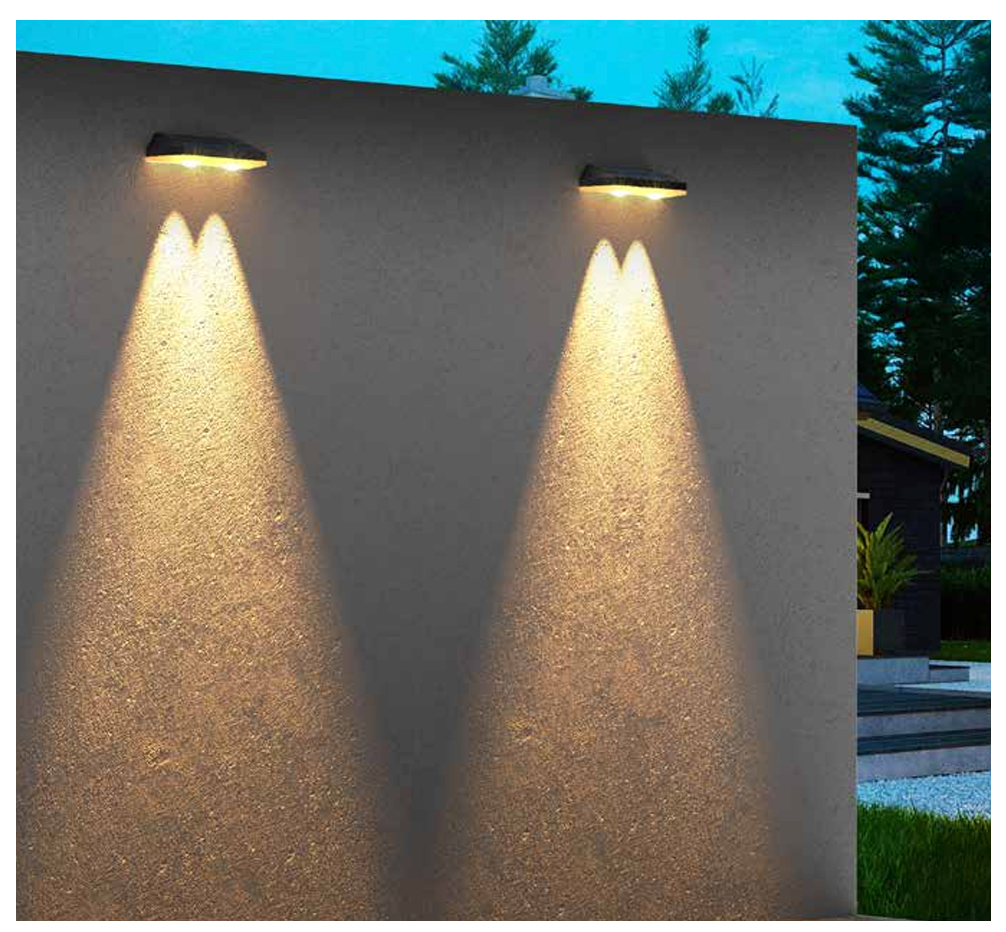
Motion Sensors & Occupancy Controls for Commercial Lighting
The cheapest light is the one that is off when no one needs it. Motion and occupancy controls cut runtime in spaces that sit empty, which is most of them, for much of the day. This guide covers where and how to use them.
Motion and occupancy sensors turn lights on when someone enters and off or dim when they leave, cutting energy use sharply in intermittent spaces without sacrificing safety.
Where Controls Pay Off Most
- Self-storage hallways that sit empty between visits.
- Warehouse aisles that are picked intermittently.
- Restrooms, stairwells, back rooms, and garages.
Sensor Strategies
- On/off: simplest, best for clearly intermittent spaces.
- Dim-when-vacant: drops to a safe low level instead of full off.
- Fixture-integrated vs standalone: built-in sensors simplify wiring; standalone sensors control zones.
Energy and Rebates
Controls compound your LED savings and can strengthen a rebate application. Factor them into the ROI calculation.
Stop Paying to Light Empty Rooms
Motion and occupancy controls cut runtime where spaces sit idle.
Shop Motion-Activated Lighting Call (512) 843-1383Last updated: June 2026. Consult local codes and a licensed professional for your specific project.